Nonprofit Communications Lessons From Persuasive
-
Core Lessons in Mission-Driven Communications:
Anchor your strategy to your ultimate goals: Rely on a solid persuasion framework to stay focused on what actually moves the needle, rather than getting distracted by shiny, disconnected tactics.
Manage heavy workloads by stepping back: When you are stretched too thin, pull yourself out of the daily rush to honestly evaluate tasks, delegate and intentionally schedule time to tackle stressful projects.
Adapt your media relations to today’s reality: Respect reporters' tight time constraints by shifting your focus to specialized, niche publications that directly reach your target audience.
In our world of child and family advocacy, few communicators have navigated the trenches quite like Marrianne McMullen.
From managing high-stakes crises in the Obama administration to shaping narratives at DC Public Schools – where I had the immense privilege of working for her – Marrianne has spent her career masterfully championing policies that support children and families. Today, she serves as the Director of Communication & Dissemination at Chapin Hall, an independent research and policy center focused on child and family well-being.
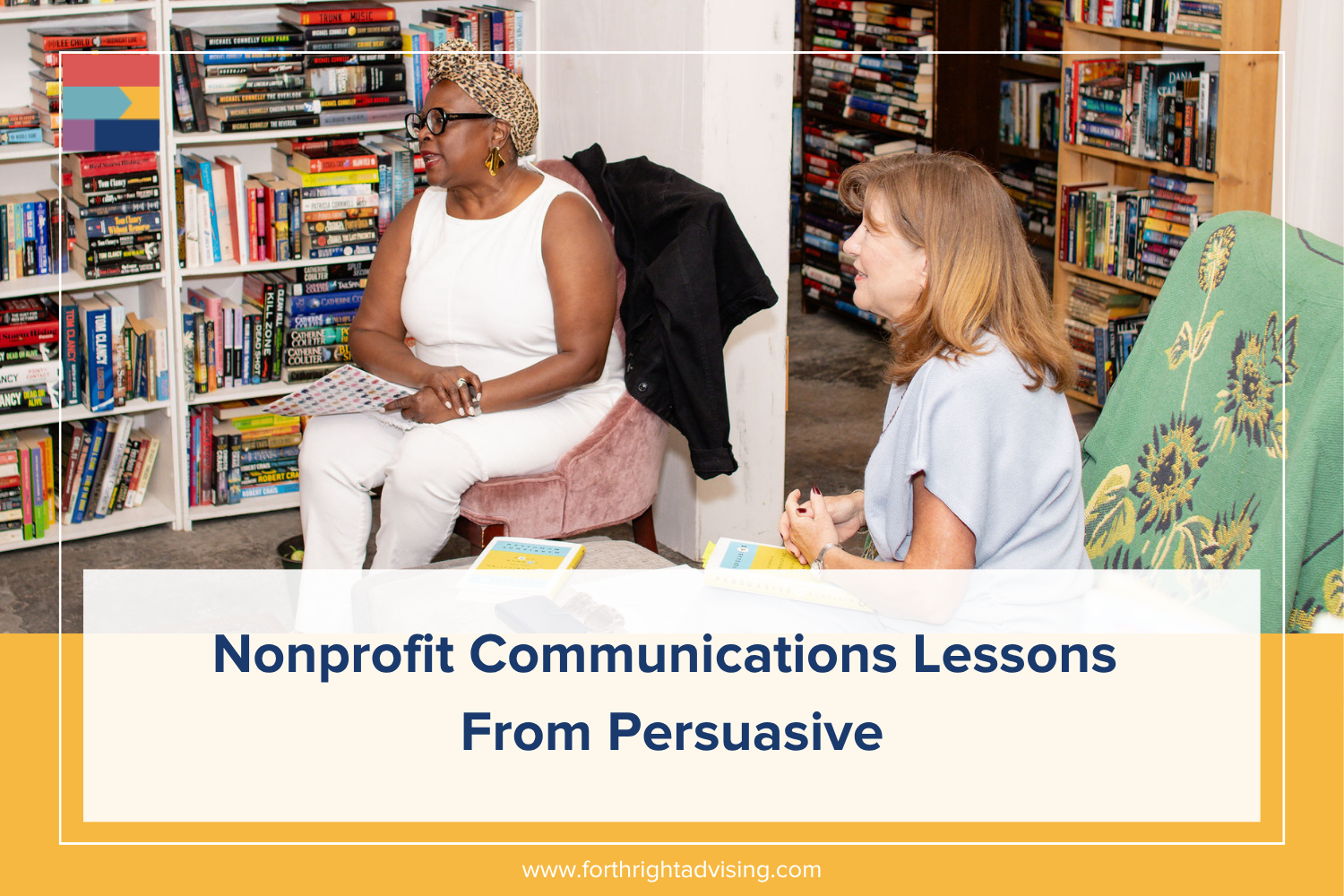
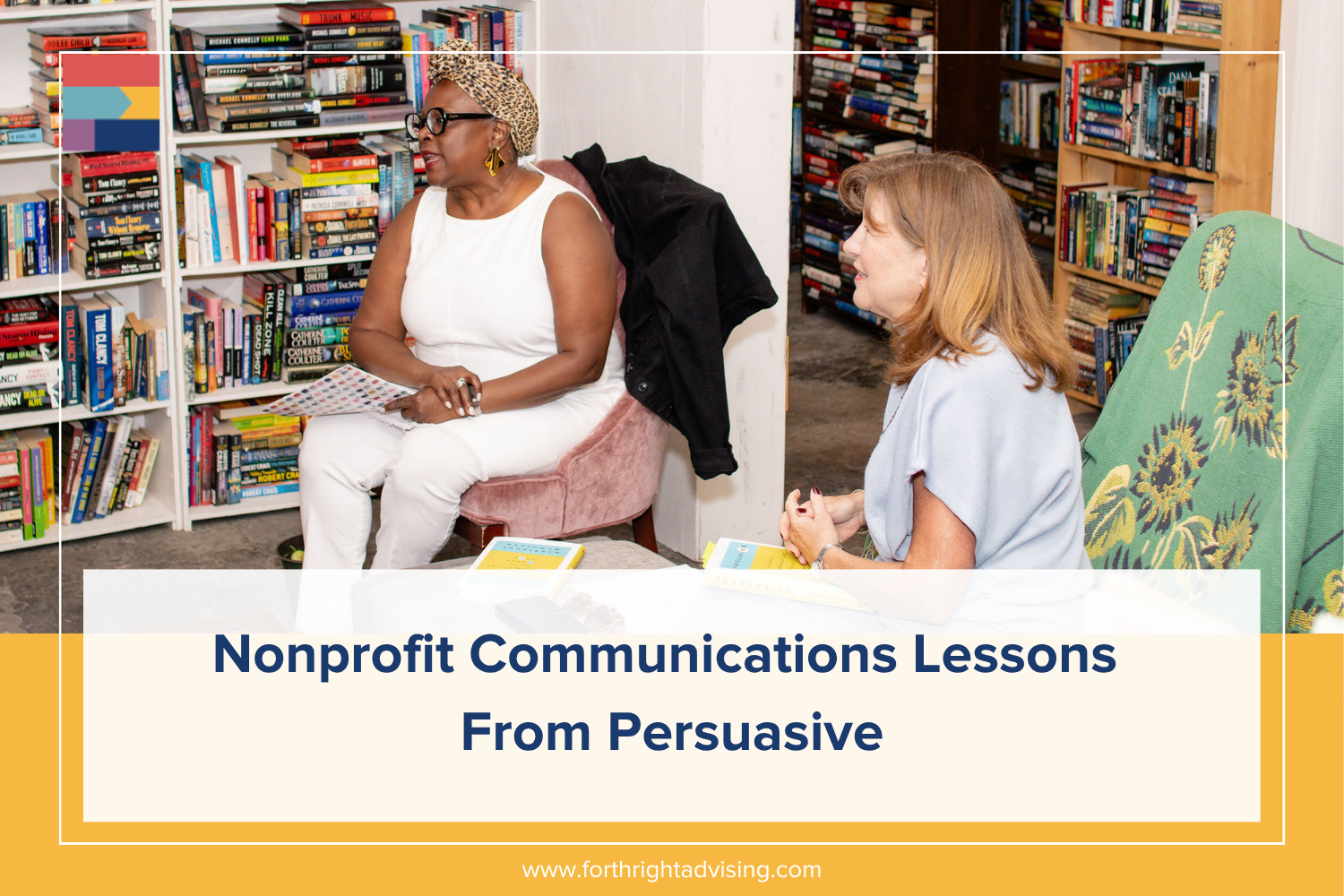
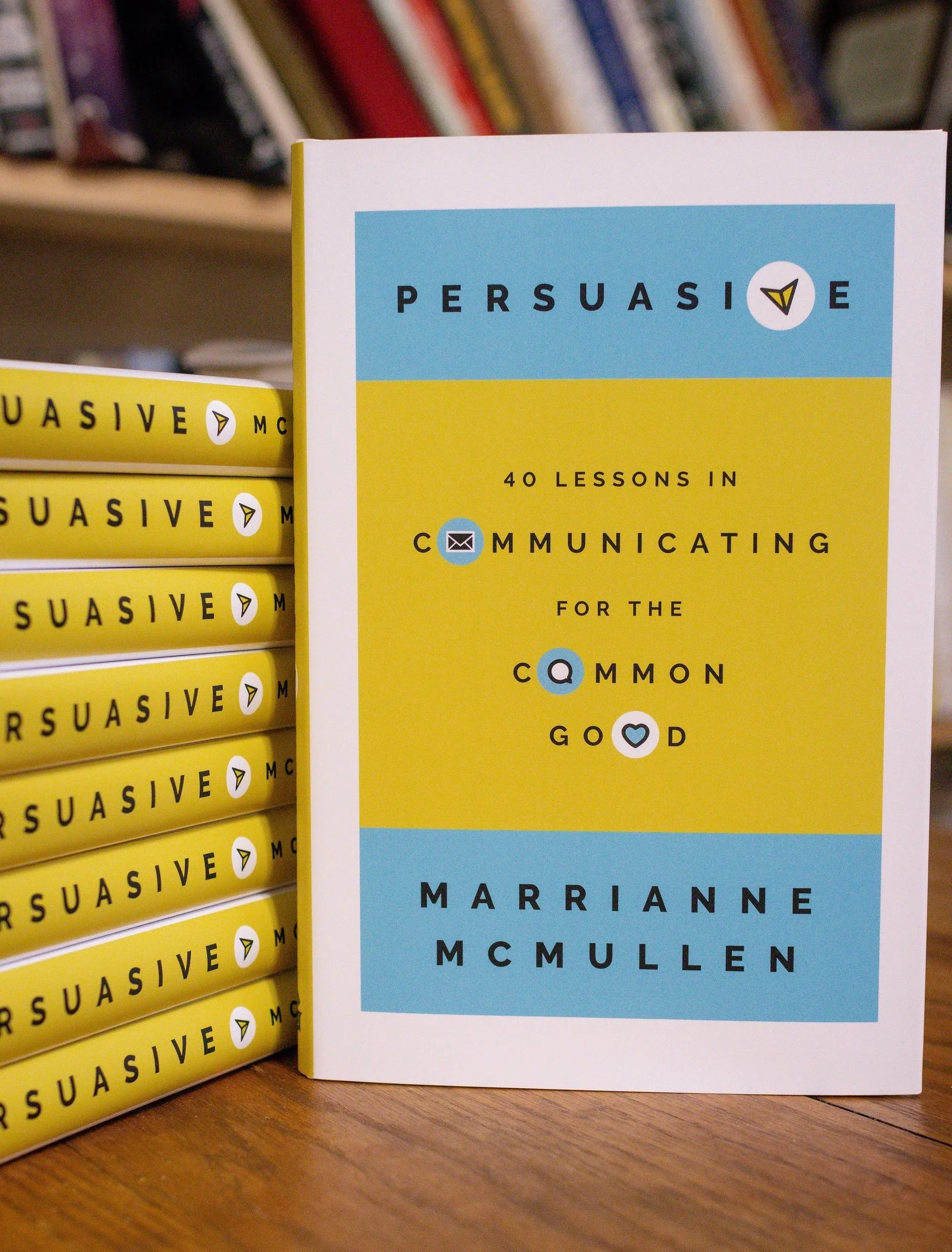
To celebrate the two-year anniversary of her book, Persuasive, I sat down with my former boss and mentor to reflect on what it takes to effectively move the needle.
Whether you’re leading a school district's communications team or driving a nonprofit's mission, I’m thrilled to be able to share Marrianne's wisdom for leading with strategy and empathy.
Katie: So I got to read an early copy of your book (because I am in the book, and you were lovely enough to share a preview…), so I personally know how amazing it is. But tell me about the reception you’ve gotten over the past two years? What has stood out to readers?
Marrianne: Well, thank you for reading the book, and it's really exciting to be talking to genuinely one of the most talented communications professionals I have ever worked with! So just put that on the record. As for the book's reception, communicators have really embraced the persuasion matrix because it keeps you anchored to your ultimate goals. It is so easy to get distracted by tactics – like a client wanting a TikTok video that doesn't actually reach their target audience – but having a solid framework prevents you from wasting time on things that don't move the needle.
Beyond the strategy, I've been most touched by readers responding to the book's management and leadership lessons. Building an environment where people are excited about the work and feel good about themselves is something very dear to my heart.
Katie: You’ve worked across the child-and-family advocacy sector – from being in-house communicators at DC Public Schools together, to working in government and nonprofit roles. What are some tenants or approaches that have served you well no matter what seat you’re occupying?
Marrianne: Protecting relationships and treating everyone decently is essential no matter where you work. One of my favorite lessons from the book is to always honor the talents of your team, rather than falling into the "smartest person in the room" syndrome. If you are focused on elevating what others bring to the table, you make people feel seen while effectively mobilizing their skills for your cause. Focusing on your team's talents is exactly what makes you successful as a leader.

Katie: You’re one of the best bosses I’ve ever had, and your approach to balancing workloads is something that has stuck with me ever since we met, when you told me “if your job isn’t fitting into 40 hours a week, there’s either something wrong with your workload or role, or how you’re doing the work, and either way, we’ll figure it out together”. These days, we’re hearing across our clients that everyone is stretched too thin, and no one’s job is fitting in 40 hours. What’s your advice for busy communicators who need to prioritize?
Marrianne: The first step is to completely pull yourself out of the daily scrum and look at the big picture. You have to evaluate your entire workload during a moment when you are not actively under pressure. Honestly assess what can simply disappear from your list, what tasks are entirely divergent, and what can be delegated – and remember, you do not have to be someone's boss to ask them to take on a piece of the work.
Of course, there are exceptions. When I was in the Obama administration dealing with surges of unaccompanied children at the border, it was an all-hands-on-deck, seven-days-a-week crisis. But during normal times, my best tactical advice is to schedule your stress. If a lingering project is overwhelming you, block off a specific Friday two weeks from now to tackle it so you can stop worrying about it today, and always review your upcoming week on Monday morning so you are never caught off guard.
Katie: You tell a few stories in your book about um… difficult… reporter interactions. You also have had some major media successes. What’s your best media relations advice?
Marrianne: My best media relations advice is actually the same as my best general communications advice: put yourself in your audience's shoes. Back when you and I worked together, I could regularly grab breakfast with a Washington Post reporter to build a relationship, but today's reporters simply do not have the time for that. You can no longer rely on routine coffee dates or long lunches to pitch your stories.
Instead, we have to recognize how much the landscape has shifted, with higher turnover and traditional beats largely going away. To succeed now, communicators need to pivot their focus toward specialized, niche publications – like Chalkbeat for education – that are filling those gaps. The journalism industry is going through a tough transition, so we have to respect reporters' current time constraints and adapt our strategies. It's really got to be something that's worth their time.
Katie: You’ve welcomed so many of us into your home, your circle, your life over the years, and you’ve even been a foster parent. How has your experience as a foster parent shaped or influenced your approach to communication?
Marrianne: Being a foster parent for 12 years has been incredibly humbling. It is entirely different when you have a teenager behaving self-destructively in your home and you realize how hard it is to address trauma once it happens. That firsthand experience profoundly shifted my focus as a communicator toward prevention and getting in front of these challenges.
It also made me deeply invested in how systems – like child welfare and education – can either compound or alleviate trauma based on how they function. As my boss often says, family separation is not an evidence-based practice, but kinship care absolutely is. Seeing the real-life difference between a child staying with an aunt versus being placed with strangers taught me exactly why fighting for sound public policy matters so much.
Katie: Happy two-year anniversary to Persuasive! Anything else you’d like to share with your fellow child advocates?
Marrianne: Before I wrote the book, I read William Zinsser’s advice on writing personal stories, and his biggest takeaway was this: if you are going to write about yourself, make it useful to others. That was my ultimate goal with Persuasive, and I have been so gratified by the feedback from professionals who have found real, practical utility in it.
As I looked back through the 40 lessons to prepare for our chat today, I am proud to say they are really holding up at age two! By pairing honest stories about the stakes of this work with practical guidance, my hope is that these lessons will continue to be a helpful resource for communications professionals for years to come.
-
Katie Test Davis
Katie Test Davis is the Founder of Forthright Advising and a public relations strategist with nearly 20 years of experience in child and family advocacy. Having worked in-house for three public school districts — including DC Public Schools alongside Marrianne McMullen — and multiple family-focused nonprofits, Katie brings firsthand experience to the exact challenges mission-driven communicators face today. She is uniquely qualified to guide this conversation on strategy and leadership because she has spent her entire career breaking down complex policies and communicating tough subjects with deep empathy. Today, Katie partners with nonprofits, public school districts and foundations to build community trust and create real, systemic change for kids.