Audience Engagement Strategies: Why Small Events Work
-
Beat audience burnout with small gatherings: Skip the massive gala and opt for low-stress, creative in-person events – like a community breakfast – to cut through the noise.
Define your exact goal and audience: Whether you want to engage new millennial donors or connect with local parent groups, getting highly specific makes planning simple and effective.
Turn attendees into long-term supporters: Make your mission stick by using ethical storytelling at the venue, and drop new faces into a welcoming, automated email sequence.
Have you noticed that people… aren’t reading stuff very closely right now? (Not you, you’re doing a great job reading this blog so far!)
Do you notice colleagues are more checked out than usual?
Burnout, compassion fatigue, cognitive overload – you name it, our audiences have it. We’ve got short attention spans, and even shorter fuses.
So what’s a communicator to do to get attention? Throw a party, of course.
I’m serious. It’s party time!
Our own recent research revealed that 73 percent of child-and-family advocates want to gather in person in 2026. That’s huge!
Events are big hits right now, and they don’t even have to be big galas or giant gatherings to have impact. What matters most is the connection you make. In fact, it may be more effective to have a small breakfast. But let’s start at the beginning, shall we?
What’s the first step in planning an event?
If you’ve been a reader for a while, you know what I’m about to say. Start with your goals, of course!
Your goal might be:
Collaborating with fellow advocates.
Activating supporters for your bond campaign.
Fundraising with individual donors.
Get clear on your goal, and make sure it’s measurable. Then, determine WHO can make your goal a reality.
If your goal is to get supporters for your ballot initiative, you may want to look to local parent groups as allies. If your goal is fundraising, you might want to cultivate millennial individual donors. The more specific you can get, the better.
Once you have your goal, and your audience, you’re halfway to a plan.

How do you design a great event?
Center your goal, of course!
Let’s say you’re looking to engage new individual donors. Ideally, millennial donors who haven't given to your organization before. Maybe it’s time to throw a mac & cheese competition at a local brewery, to bring in some fresh faces. What about engaging supporters for the arts school in your community? Let’s invite alumni to breakfast at your local art museum or a gallery.
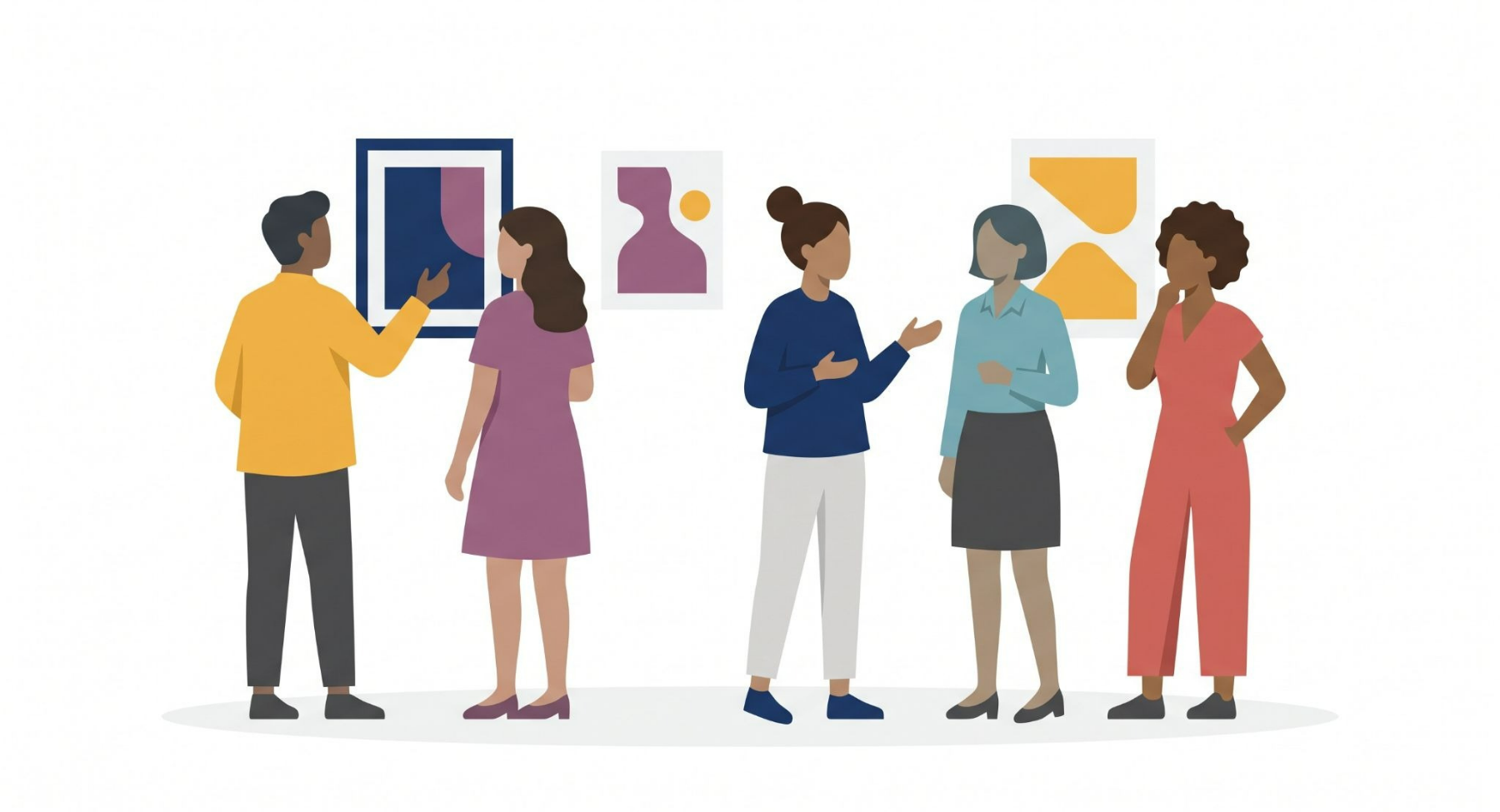
Think creative. Small events mean you can be nimble and do something unexpected.
Here are a few fun ideas:
Budget Options:
Library
Park and rec centers
Community college/university spaces
Mid-Range Options:
Local small businesses, like a bookstore or a restaurant
Nonprofit museums
Tap rooms
High-End Options:
Hotel rooftops
Theater spaces
Sports stadiums or arenas
How do you center your mission at an event?
Once you have your goal, your audience and your venue/vibe, it’s time to land your mission and make an impact.
You want to be sure to incorporate ethical storytelling into your event, as well as have take-home materials (like your recent annual report).
Make sure attendees who haven’t connected with you before get put into an intentional welcome sequence of automated emails designed to help them get to know you and your values before you ask them to donate.
There are so many great ways to make an event shine.
Now get out there and hang out with your audiences IRL. It’ll be the most fun you’ve had in months!
Need help designing your welcome email sequences? Do you want a fresh brain to create your next annual report (and design it so you can use it as a handout)? We’ve got your back. Reach out anytime!
-
Katie Test Davis
Katie Test Davis is the Founder and CEO of Forthright Advising, an award-winning PR and communications firm serving organizations that love kids. With nearly two decades of in-house and agency experience — including leadership roles at ASCD and Children’s Law Center — Katie is a powerhouse strategist known for combining data-driven best practices with fierce audience empathy. Recognized as a 2021 Forbes Next 1000 entrepreneur, her expertise in building trust and designing audience-centric engagement campaigns helps nonprofits and school districts turn complex challenges into community-driven wins.