Combating AI Deepfakes: A Guide for School and Nonprofit Leaders
-
As generative AI makes realistic deepfakes easier to produce, school districts, foundations and child-focused nonprofits face growing risks from synthetic audio, manipulated media and viral misinformation. This practical guide by Niki Juhasz outlines three key strategies institutional leaders can implement to protect their brand and maintain community trust:
Establish clear verification hubs and protocols: Create a single, verified "source of truth" website for official updates, proactively publish your organization's AI usage guidelines and clearly label any AI-generated graphics or copy.
Protect beneficiary privacy with enterprise AI: Safeguard student, child and family data by using paid, secure AI platforms that keep sensitive information encrypted and strictly excluded from public AI model training sets.
Prepare your team and crisis plans for deepfakes: Train staff to identify synthetic content and update your organization's crisis communications playbook with pre-approved response protocols specifically tailored for AI-driven rumors and deepfakes.
Test: do you think this video is real or fake?
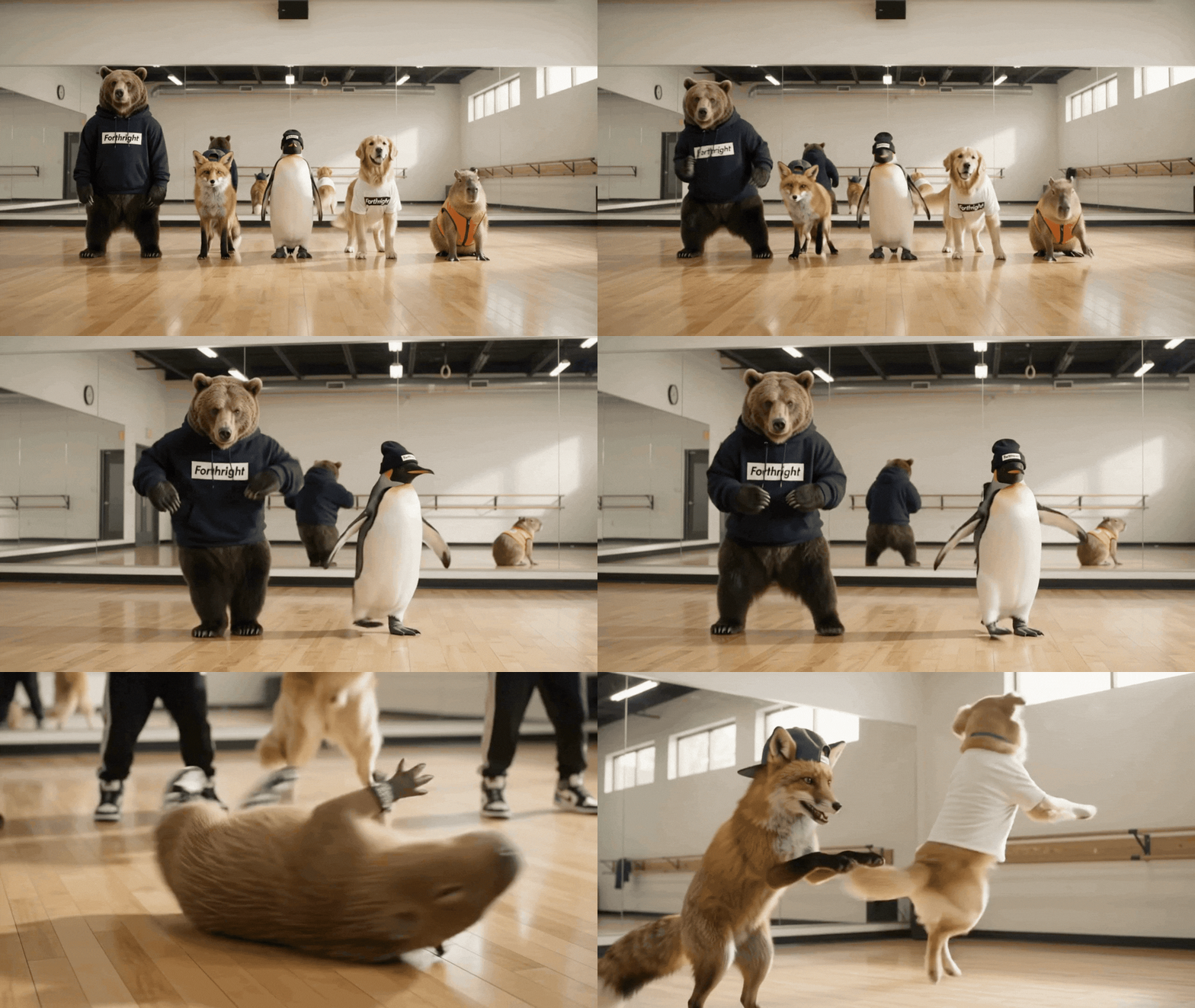
I know this was a tough one – but as you may have guessed, this is an AI-generated video. We’ve all seen images or videos like these that are clearly AI.
The problem? When it’s not dancing bears, AI can be really, really convincing.
For example, a recording of a principal making racist remarks was shared thousands of times in 2024. He received death threats. The recording was AI, made by a disgruntled former employee.
This is called a deepfake – and nonprofits, foundations and school districts have all been targeted by them.
That’s why today, we’re sharing some proactive steps you can take to make sure your team is prepared in the era of AI.

How can you protect your organization against AI deepfakes and AI-generated rumors?
First, get secure. If you use AI in your day-to-day work,* we strongly recommend a paid version. For example, at Forthright, we use Gemini for Google Workspace. Free AI models often use whatever data, photos or text you input to train their public algorithms. This means sensitive student photos or confidential board notes could end up in public training sets. Paid accounts keep your data password protected, encrypted and out of public model training.
Have a single source of truth. Audiences need to know how to fact-check information. Your single source of truth can be as simple as creating a Generative Engine Optimized central landing page with keywords that AI will be able to find. Any time you have a major announcement or crisis update, this is the first place you post. Make sure your audiences know that if it’s not on this page, it’s not real. (Frankly, this is a great best practice even *without* the threat of deepfakes!)
Share your AI protocols with your audience proactively. For example, if you use AI to create training videos for volunteers, and that’s it, then share that they should only expect AI training videos from you!
Label any AI content you *do* create as just that – AI. I’m not saying if you write a blog and AI helps you wordsmith it, you need to call that out. (Though we are big fans of Columbia Journalism Review’s AI disclaimers.) Or that a cartoon image needs a disclaimer. This is important when there’s content that feels real, but isn’t.
For example, one nonprofit created AI images showing police violence against anti-government protestors to promote a human rights report. Photojournalists, advocates and partners were livid. Many argued that using fake images undermines the credibility of real documentation.
Train your team. Ensure your team knows how you use AI and how to spot fake AI content! This helps ensure your team isn’t using AI in a way that builds distrust AND can combat disinformation that comes from AI, fast. Universities are at the forefront of this work, and we like this guide from East Central College.
Add a section on AI deepfake content to your crisis communications plan. I’m a communications pro, which means I live by Murphy’s Law. Anything that can go wrong, will go wrong. Make sure you have a protocol and talking points ready in case something does happen.
What else is your team already doing? We’d love to hear from you as we continue sharing with our community!
*Using AI is a hotly debated topic. Today, we’re simply sharing communications advice on what to do if your team is already using AI in your work.
-
Niki Juhasz
Niki Juhasz is a Vice President at Forthright Advising with 15 years of experience leading strategic communications, high-stakes advocacy campaigns and media relations for education, healthcare and child-facing nonprofits. Throughout her career, she has specialized in crisis communications, proactive messaging and community-driven campaigns for school districts, foundations, and public policy initiatives. At Forthright, Niki leverages her deep background in behavioral psychology and data-driven messaging to help nonprofit executives and district leaders build trusted, resilient communications strategies that protect families and advance systemic change.